Most people think buying a share of Google stock gives them a say in how the company runs. It does not. While millions of investors own a financial slice of the tech giant, true authority remains locked away in the hands of just two people.
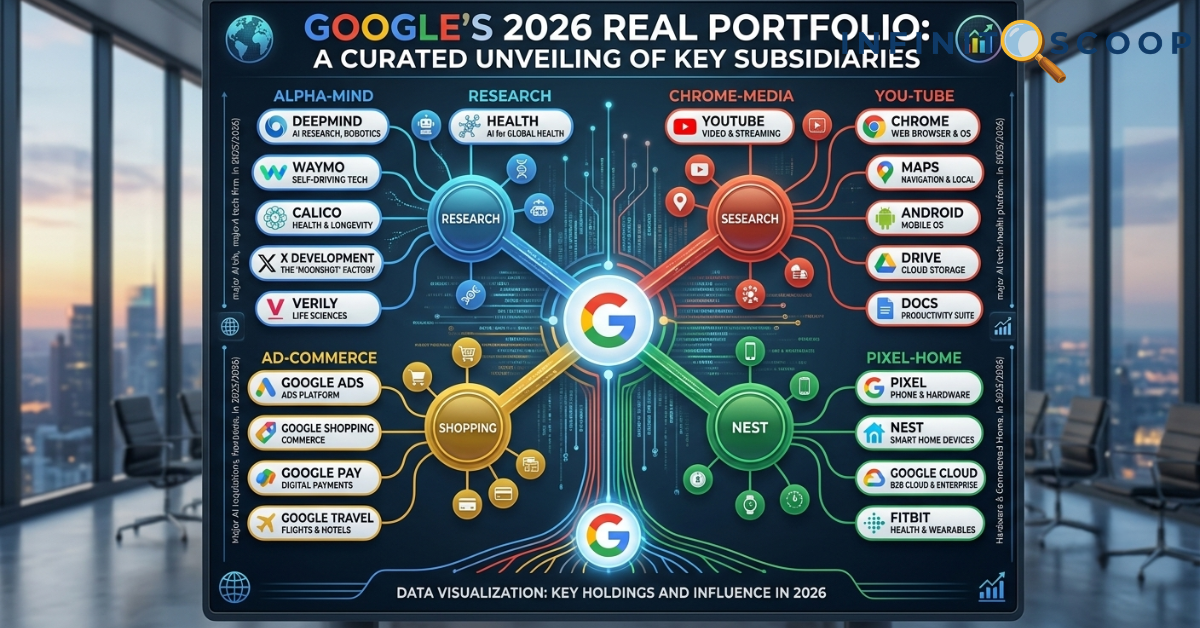
Legally, Google is a wholly-owned subsidiary of its parent company, Alphabet Inc. But if you want to know who calls the shots, you have to look past the stock market tickers and dive into a brilliant corporate design that dates back to the company’s roots.
The Hidden Power Dynamic of Alphabet Inc.
Before Google went public in 2004, its founders built a unique defensive wall. They separated economic ownership from voting control. This means anyone can buy a piece of the company’s financial success, but almost no one gets a seat at the steering wheel.
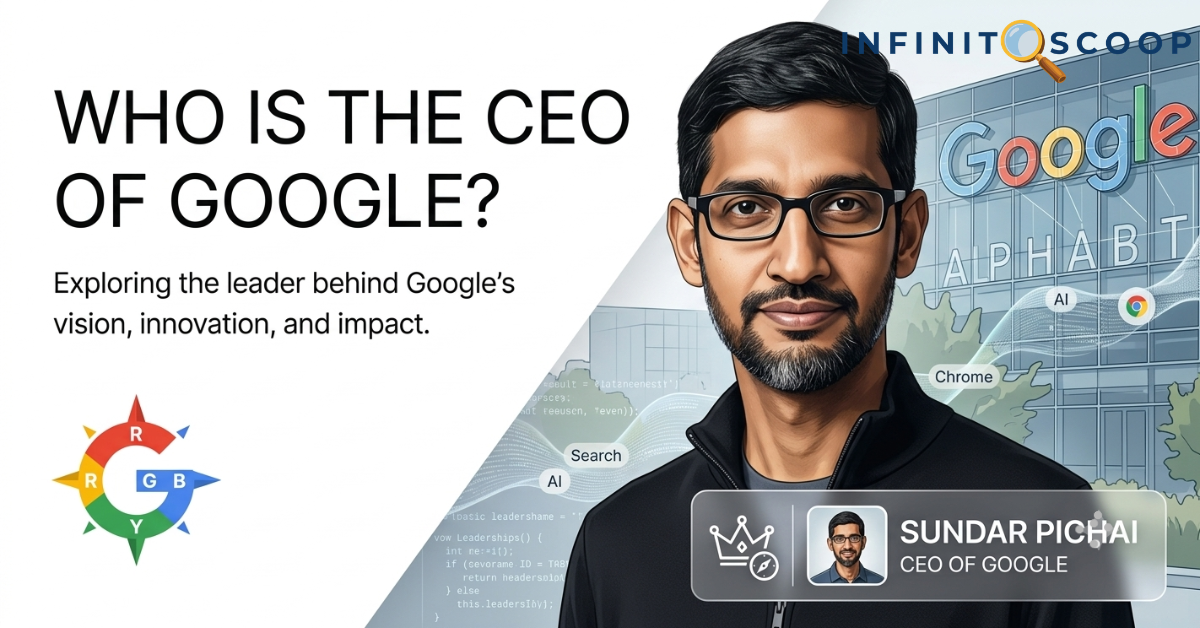
Day-to-day operations belong to CEO Sundar Pichai. He manages the massive global business, handles product rollouts, and speaks to the public. Yet, his actual voting power is less than 1%.
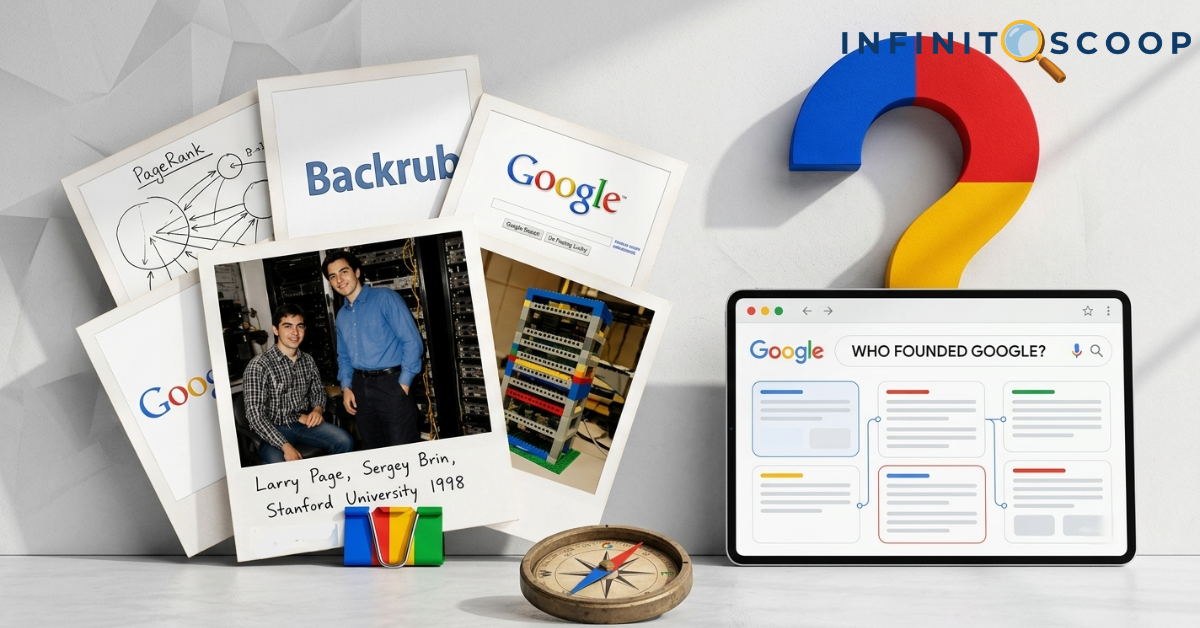
The real power belongs to co-founders Larry Page and Sergey Brin. Even though they stepped down from their executive roles years ago, they kept their special shares. They can override board decisions, greenlight massive acquisitions, or change leadership whenever they want.
Google Ownership and Voting Power Breakdown
Alphabet uses three different share classes to maintain this strict hierarchy. Class A shares give regular investors one vote, while Class C shares offer zero voting rights. Meanwhile, Class B shares stay completely private and carry ten votes each.
The breakdown below shows exactly how voting control shakes out among top stakeholders.
| Shareholder | Share Class Held | Economic Ownership Stake | Total Voting Power | Actual Corporate Role |
| Larry Page | Class B (10 votes) | ~6% | 27.4% | Co-founder & Controlling Owner |
| Sergey Brin | Class B (10 votes) | ~5.5% | 25.3% | Co-founder & Controlling Owner |
| Vanguard Group | Class A (1 vote) | ~7.0% | 7.0% | Major Institutional Investor |
| BlackRock | Class A (1 vote) | ~6.2% | 6.2% | Major Institutional Investor |
| Sundar Pichai | Class A (1 vote) | Below 1% | Below 1% | CEO & Active Operator |
| Public Investors | Class A & C | Majority | ~34.1% | Financial Stakeholders |
Why Institutional Giants Can Never Outvote the Founders
This lopsided structure creates a fascinating real-world math problem. Wall Street powerhouses like Vanguard and BlackRock spend billions of dollars to acquire massive blocks of Alphabet stock. In fact, Vanguard owns a larger financial percentage of the company than Larry Page does.
However, because Page and Brin hold the bulk of the Class B shares, they control a combined 52.7% of the voting power.
Imagine a room where every single public investor and Wall Street firm teams up to vote against a new company direction. They would bring 47.3% of the votes to the table. Page and Brin can simply walk into the room together, cast their 52.7% majority, and win the argument instantly.
Frequently Asked Questions (FAQs)
Does Sundar Pichai own Google?
No, Sundar Pichai does not own Google. He is the hired professional CEO who manages daily operations for Google and Alphabet. While he receives substantial stock compensation, his total voting power remains below 1%.
What is the difference between GOOG and GOOGL stock?
GOOGL represents Class A shares, which give regular investors one vote per share. GOOG represents Class C shares, which carry zero voting rights. Both shares track the exact same financial performance, but GOOGL is the choice for investors who want a nominal vote.
Can Elon Musk or another billionaire buy Google completely?
No, it is financially and structurally impossible. Alphabet’s massive market cap puts it out of reach for any single individual. More importantly, the founders’ Class B shares control the company and are not for sale on any public exchange at any price.
What happens to Google’s control if a founder sells their shares?
If Larry Page or Sergey Brin sells their Class B shares to an outsider, those shares automatically convert into standard Class A shares. This means the extra voting power vanishes permanently upon transfer, which is the only real way the founders’ grip on the company could loosen over time.