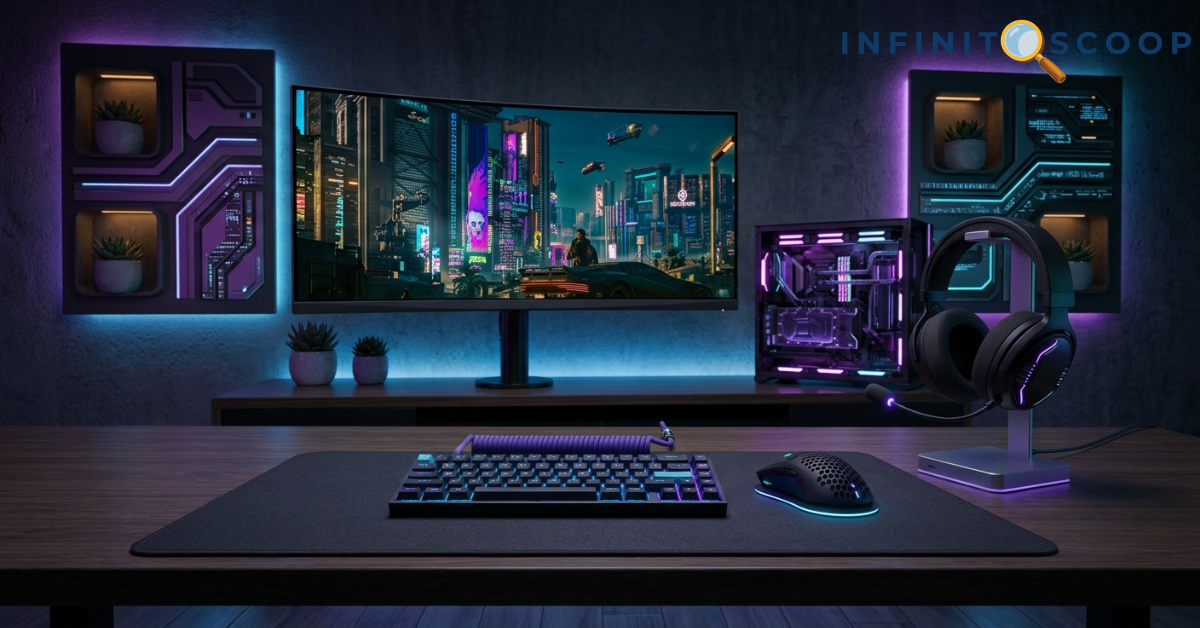
Navigating the complex landscape of hardware specifications, graphical settings, and competitive peripherals is essential for any serious PC player today. If you want to maximize your frame rates, achieve crystal-clear visuals, and secure a competitive edge, following expert insights on eurogamersonline.com pc gaming ensures you make smart, performance-driven hardware choices. From choosing the right GPU to calibration your display, fine-tuning your environment significantly impacts your daily experience.
Whether you want to build a custom rig from scratch or need simple tips to boost current game performance, reliable strategic advice makes all the difference. In this comprehensive guide, we cover essential component selection, optimal software configuration, immersion-boosting accessories, and practical maintenance tips.
Building Your Ideal Eurogamersonline.com PC Gaming Setup
Crafting a powerful station requires balancing raw processing power with visual fidelity and responsive controls.
Selecting Core Components (CPU and GPU)
The CPU handles game logic and physics calculations, while the GPU renders the stunning visuals onto your screen. A powerful graphics card is essential for smooth gameplay at 4K resolution or high frame rates (144Hz+). Balance your budget by selecting a capable modern processor that won’t bottleneck your high-end graphics card during intense action.
Memory and Fast Storage Solutions
Modern AAA titles demand significant RAM, with 16GB being the practical standard for smooth multitasking. Opt for high-speed NVMe SSD storage to virtually eliminate long game load screens and system boot times. Installing your operating system and favorite games on an SSD provides immediate responsiveness that traditional hard drives simply cannot match.
Efficient Cooling and Power Management
High-performance components generate substantial heat, which can lead to thermal throttling and reduced performance. Invest in quality air or liquid CPU coolers and ensure your case has excellent airflow. Select a reliable, high-wattage power supply unit (PSU) with an 80+ efficiency rating to protect your investment and ensure system stability.
Optimal Software Configuration for Peak Performance
Hardware alone isn’t enough; you must tune your operating system and in-game settings to maximize every ounce of performance.
Keeping Drivers and Operating Systems Updated
Manufacturers regularly release graphics driver updates that include crucial performance optimizations for new game releases. Enable automatic updates for your GPU drivers to ensure you always have the latest patches and features. Additionally, keep your version of Windows updated, as OS optimizations often improve game performance and system stability.
Adjusting In-Game Graphical Settings
Achieving the perfect balance between visual quality and fluid performance requires careful adjustment of graphical settings. Demanding options like ray tracing, ultra textures, and heavy anti-aliasing can drastically impact frame rates. Utilize in-game benchmarking tools to find the optimal settings that deliver the responsiveness you need without sacrificing too much fidelity.
Utilizing Performance Overlay Tools
Monitor your system’s vital stats in real-time using software overlays like MSI Afterburner or GeForce Experience. These tools display your CPU and GPU usage, temperatures, and current frame rate (FPS) while you play. Tracking these metrics helps you identify performance bottlenecks and ensure your hardware isn’t overheating during long sessions.
Essential Peripherals for Immersion and Control
The right accessories bridge the gap between you and the virtual world, enhancing both your skill and enjoyment.
High-Refresh-Rate Gaming Monitors
Upgrade from a standard 60Hz display to a 144Hz or 240Hz gaming monitor for exceptionally fluid motion blur. Pair your high-refresh-rate screen with FreeSync or G-Sync technology to eliminate screen tearing without introducing input lag. A fast, responsive display makes tracking fast-moving targets in competitive shooters significantly easier.
Precision Mechanical Keyboards and Mice
In competitive multiplayer games, precision and speed are paramount, demanding responsive input devices. Mechanical keyboards offer tactile feedback and faster actuation points than standard membrane keyboards. Invest in a lightweight gaming mouse with a high-quality optical sensor for precise tracking during intense firefights.
Immersive Audio Solutions
A quality gaming headset provides clear, directional audio that can crucial for positional awareness in tactical shooters. Look for headsets featuring spatial sound technology to accurately pinpoint enemy footsteps or distant gunfire. Comfortable earcups and a clear microphone are also essential for effective communication with your teammates.
Strategic Component Comparison for Smart Upgrades
To help you decide where to allocate your budget, here’s a quick reference table comparing key component upgrade priorities:
| Component | Performance Impact | Why it Matters | When to Upgrade |
| Graphics Card (GPU) | Extremely High | Direct impact on resolution, frame rate, and graphical fidelity | When games stutter or look poor |
| Processor (CPU) | High | Handles game logic and physics; prevents GPU bottlenecking | When CPU usage hits 100% in games |
| System RAM | Medium | Essential for smooth multitasking and preventing stutter | If you have less than 16GB |
| Storage (NVMe SSD) | High (Load Times) | Drastically reduces game load screens and system boot times | If you still use a mechanical HDD |
| Power Supply (PSU) | Low (Direct) | Provides stable power; prevents system crashes and failures | When adding powerful new components |
Routine Maintenance and Thermal Care
Keeping your physical setup clean and organized prevents performance drops and extends component lifespan.
- Provide Adequate Airflow: Position your PC tower on a hard surface with ample space around its intake and exhaust vents. Avoid enclosing powerful systems in tight cabinets where hot air can get trapped and recirculated.
- Clean Dust Filters Regularly: Accumulated dust severely restricts internal fan cooling, forcing fans to run louder and causing thermal throttling. Gently wipe down intake grills and use compressed air to clear internal components every few months.
- Manage Cable Clutter: Neatly routing power and data cables improves internal airflow and makes routine cleaning significantly easier. Utilize zip ties or velcro straps to secure cables behind the motherboard tray and out of the main airflow path.
Summary / Final Thoughts
Mastering eurogamersonline.com pc gaming comes down to balancing powerful hardware with optimal settings and strategic maintenance. Investing in a strong GPU, responsive input devices, and efficient cooling delivers immediate performance rewards during daily play. By calibration your software settings, protecting your components from heat, and keeping your system updated, you ensure a consistent, high-fidelity experience that lets you focus strictly on the action. Take time to evaluate your performance goals, upgrade smart, and enjoy your personalized gaming station today.
Frequently Asked Questions (FAQs)
What graphics settings have the biggest impact on frame rate?
Options like ray tracing, screen-resolution (e.g., native 4K), high-resolution textures, and demanding anti-aliasing methods usually reduce performance most significantly.
Should I prioritize a better CPU or GPU for gaming?
The graphics card (GPU) generally has the biggest impact on overall game performance, though a weak CPU can limit high-end GPUs.
How often should I clean dust out of my PC case?
Regularly checking dust filters and internal components every three to six months helps maintain optimal cooling and prevent performance throttling.